Research
My research on wellness, resilience, youth empowerment, community engagement, and participatory, restorative, and contemplative approaches can be found on Google Scholar and ResearchGate. Some highlights below.
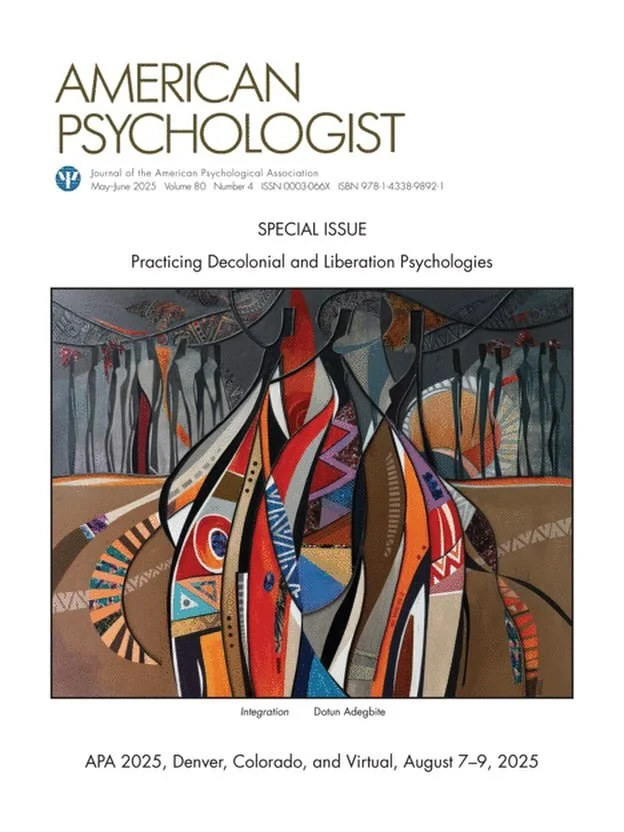
Reclaiming Love, Wisdom, and Healing Through Decolonial and Liberation Psychologies: A Call to Action
This special issue, an outgrowth of Dr. Thema Bryant’s 2023 American Psychological Association presidential initiatives, highlights the practical application of decolonial and liberation psychologies. The entire project is rooted in the principles and values of decolonial and liberation psychologies, which we outline in a manifesto that reflects our guiding vision, serves as a call to action, and emphasizes healing practices infused with love, wisdom, joy, and inclusion.
Equitable Prevention Science and Participatory Co-Design of the HEROES Strength-Based Programs
Using community-based participatory research (CBPR) puts an emphasis on the local context and priorities related to health equity, whereas implementing human-centered design (HCD) processes provides strategies for the generation and co-design of innovative solutions. In the current study, youth, youth mentors, and lay health workers engaged in the process of co-designing two strength-based caregiver and youth prevention programs through a six-step CBPR + HCD approach.
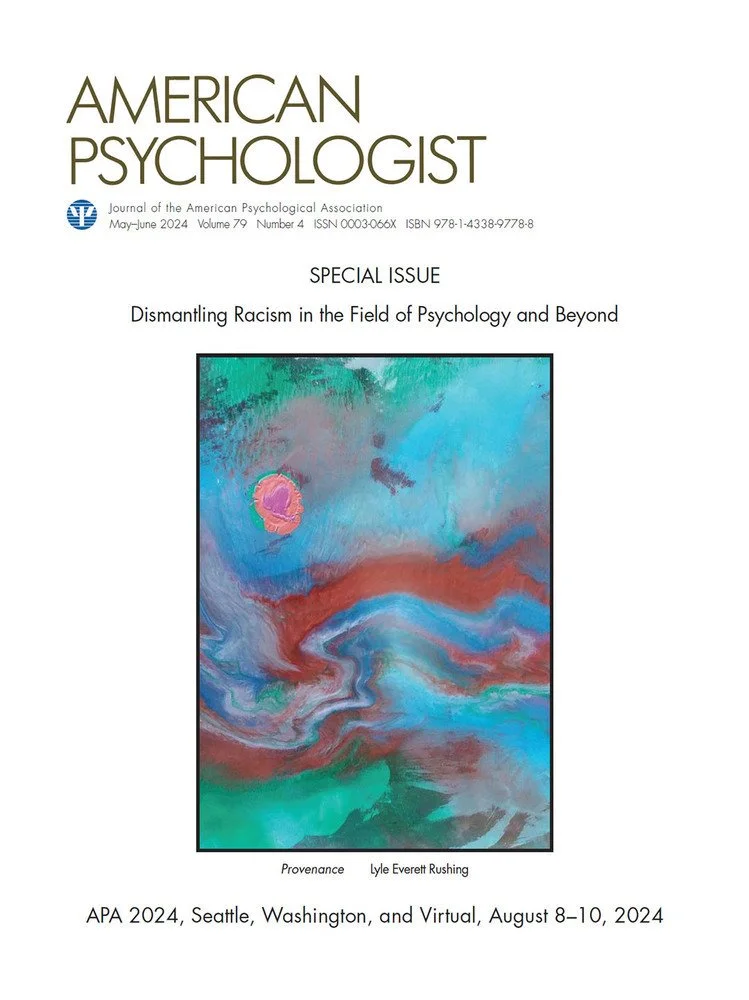
Dismantling Racism Through Partnership with Resettled Refugee Communities
The enormous and ever-increasing problem of forced displacement warrants the attention of psychological science to play a role in leading efforts to address the needs of refugee communities. As a nation of immigrants, the United States has a long and complicated history of refugee admissions, including both generous and racist policies and sentiments. Examining the past can increase our capacity to transform the future.
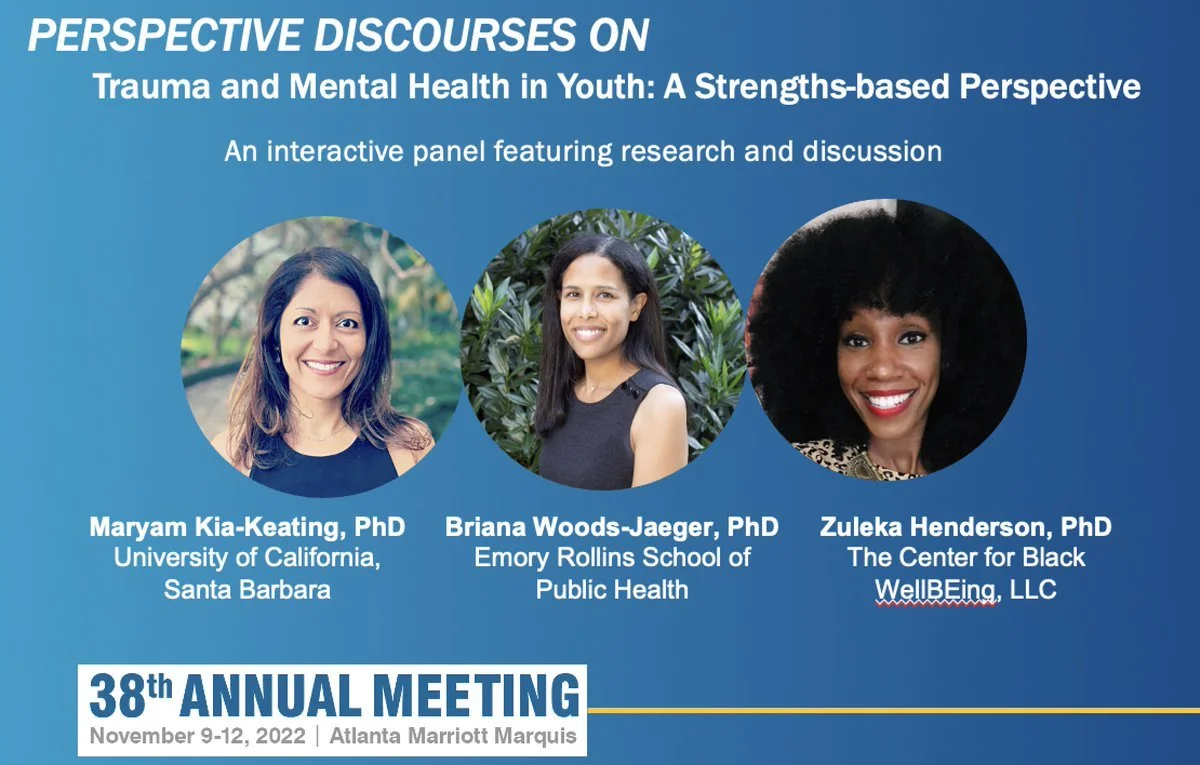
Reimagining Traumatic Stress Studies as a Participatory Science Grounded in Critical Self-Reflection
Recognizing the need for a transformative shift to advance scholarship and practice focused on traumatic stress, this piece invites the field to consider the importance of cultural humility as a foundational, nonnegotiable practice in traumatic stress studies. Details about participatory science and healing-centered practice are presented along with key questions to support the application of these frameworks in studies of traumatic stress.

Psychological Science and Immigration Today
The 2024 Presidential Task Force on Immigration and Health was appointed to focus on the U.S. immigration and health context, reflected in its membership, topics addressed, and literature reviewed. This scope was intended to facilitate coverage of the broad, heterogeneous immigration scholarship in the United States, resulting in recommendations targeted to the U.S. context.

Adverse Childhood Experiences and Yoga as “A Practice of Liberation”
Promising evidence points to the impact of yoga and mindfulness on physiological and emotional health outcomes. Yet, little is known about those who have experienced multiple Adverse Childhood Experiences (ACEs) and their perspectives on the influence of yoga and mindfulness on their lives. The current study examines the phenomenological experiences of adults with high ACEs who engage in yoga practice. Themes that emerged included: healing from trauma-related symptoms, integration of the whole self in mind–body practice, corrective experiences through yoga and mindfulness, and healing beyond talk therapy.
Trauma and Mindfulness Approaches for Latinx Communities in the United States: A Systematic Review
Mindfulness-based interventions (MBIs) have demonstrated an impact on well-being and may play a role as a protective factor in the context of trauma and adversity. This systematic review examined 11 meta-analyses and studies on MBIs in Latinx populations with trauma. The review identified salient themes in existing research, significant gaps that still exist, and future directions for implementing effective MBIs that facilitate engagement, retention, and positive mental and physical health outcomes.
Participatory Science as a Decolonizing Methodology: Leveraging Collective Knowledge from Partnerships with Refugee and Immigrant Communities
The major global problems of our day, including mass displacement, climate change, violence, and pandemic, necessitate global solutions. In a world where injustice and inequities are rampant, psychologists stand at the precipice of social change and action, with an opportunity to unambiguously decolonize our research methodologies, and engage in scholarship that provides immediate benefits to communities. Participatory methods offer an opportunity to co-create an empowering, equitable, inclusive, and ethical science in partnership with communities.